The story
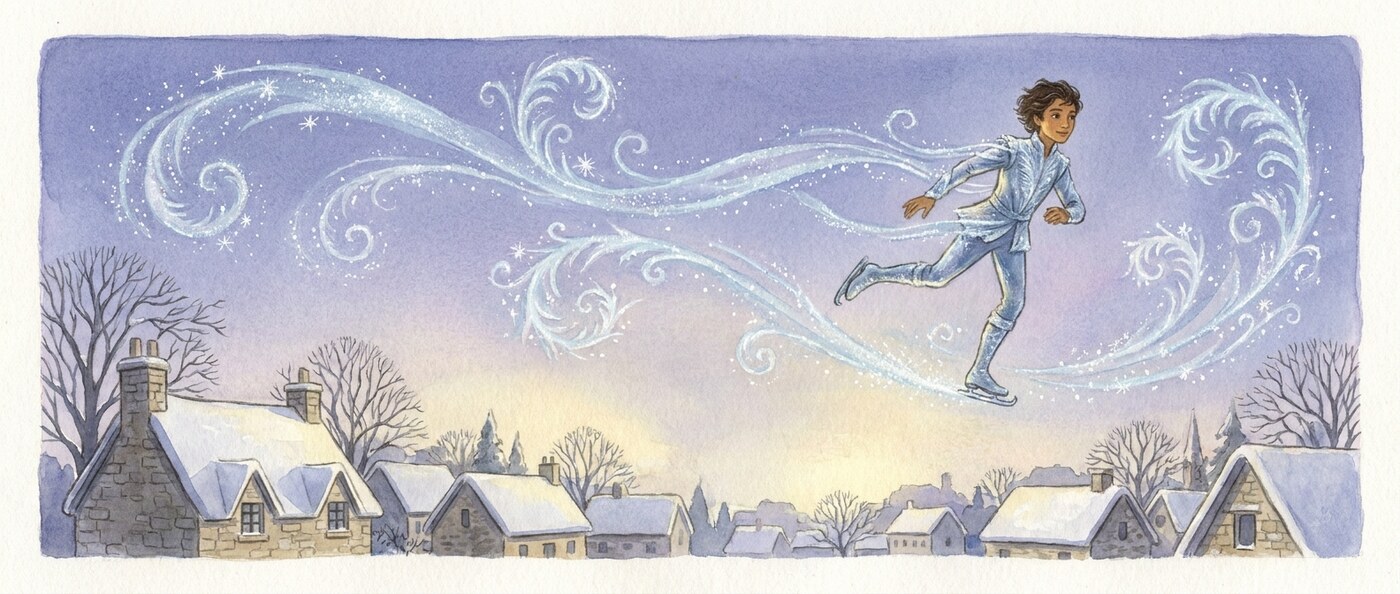
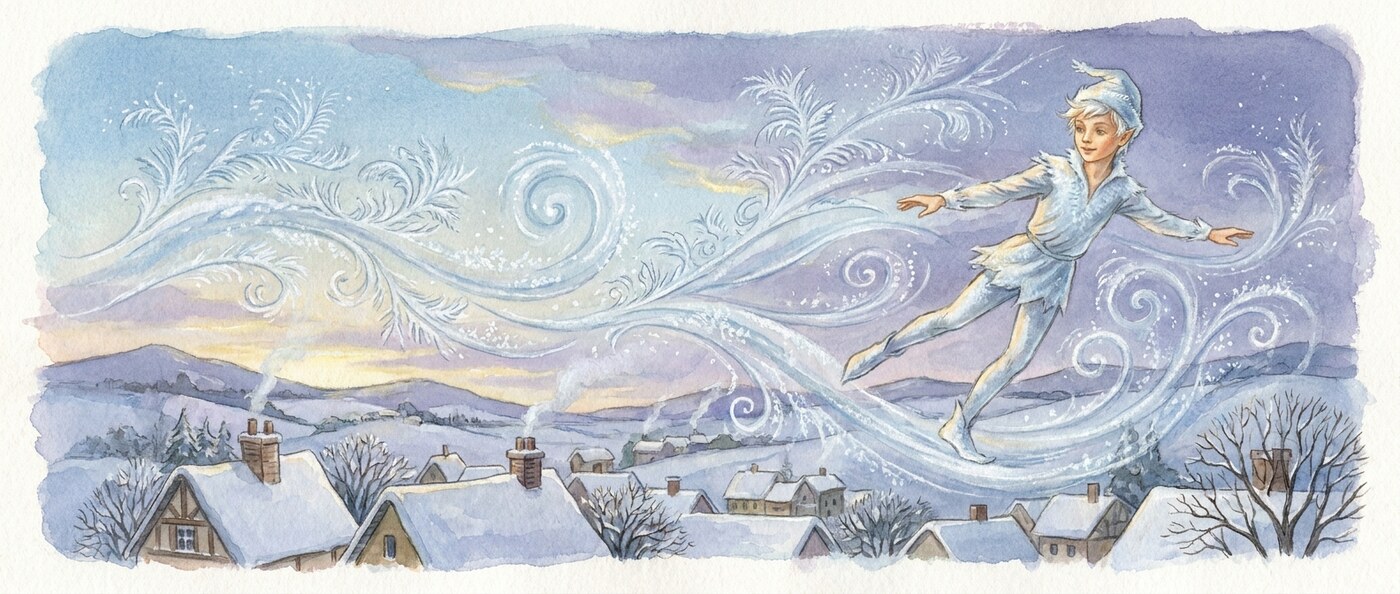
Jack Frost does not knock, does not give notice, and is never seen. He is the explanation for the fern patterns on the window, the white on the grass, and the sudden sting on your nose on the first properly cold morning of the year. He is mischievous rather than kind, works fast, and is gone by the time anyone is up — which is the only reason nobody has ever caught him.
Where it actually comes from
The personified frost is old across northern Europe; the Norse figure Jokul Frosti — "icicle frost" — is often cited as an ancestor, and English usage of "Jack Frost" is recorded from the early 1800s. He became a fixture of Victorian and American children's verse and illustration, where the emphasis shifted from a cold to be feared towards an artist who decorates windows. The physics is real and rather lovely: fern frost forms when water vapour deposits directly as ice on cold glass, branching along microscopic scratches and dust, which is why no two windows are ever the same.
What it does for a child
Jack Frost is the easiest way to get a child to look closely at something ordinary. The window is right there, the pattern is genuinely extraordinary under any scrutiny, and it will be gone by mid-morning — which makes it a natural first lesson in noticing things while they are happening. Children who are taught to look at frost tend to start looking at other things.
However they look at your house
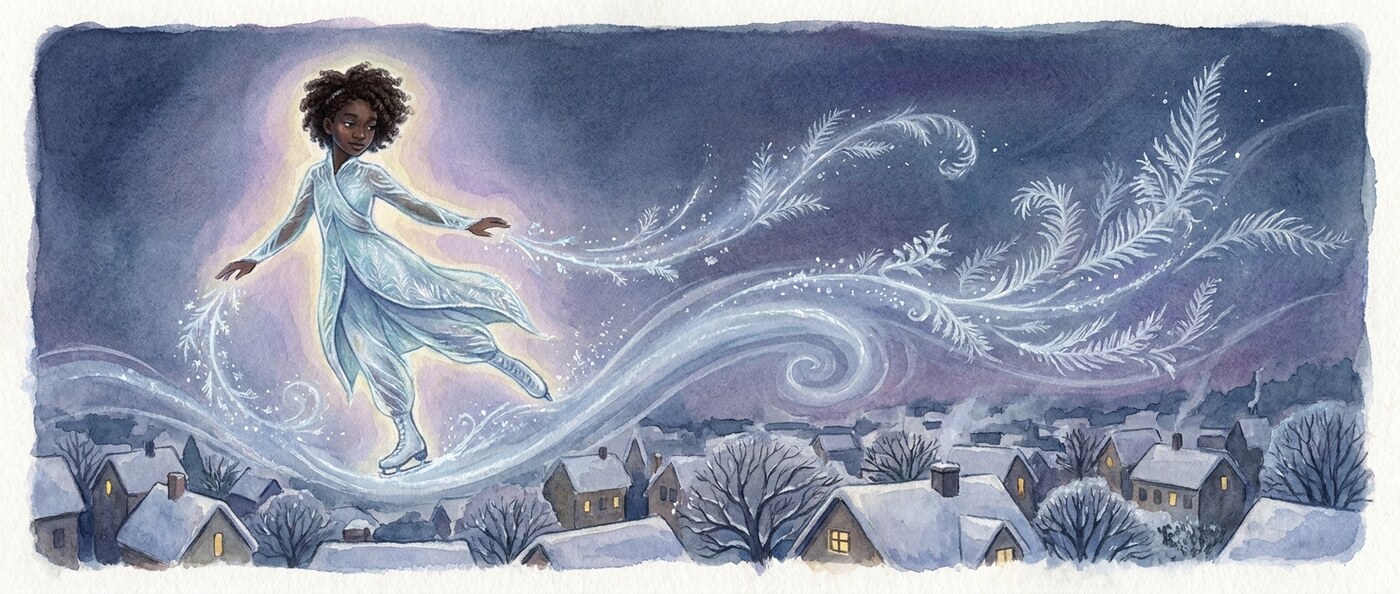
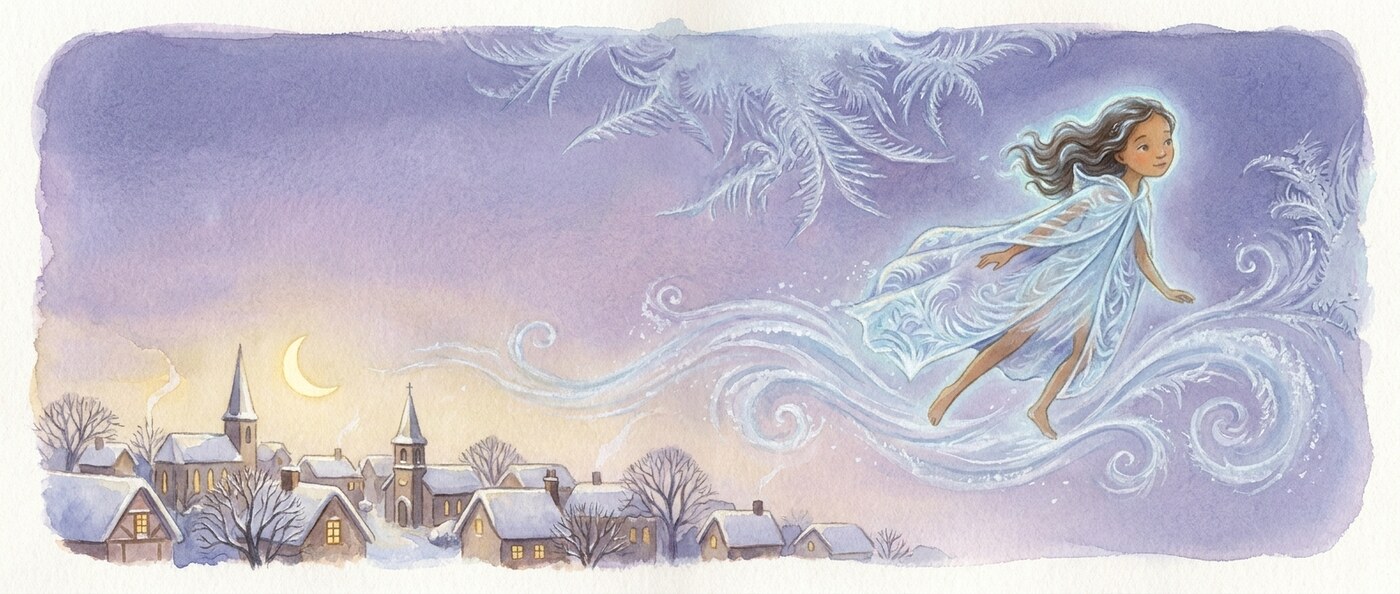
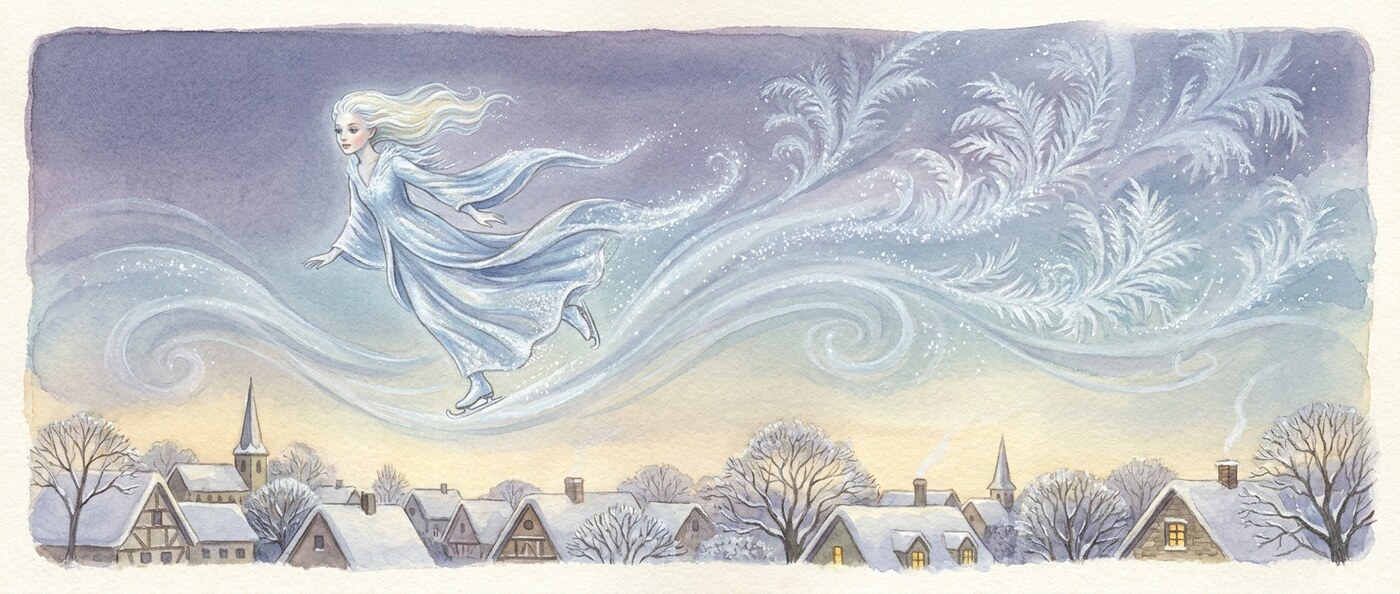
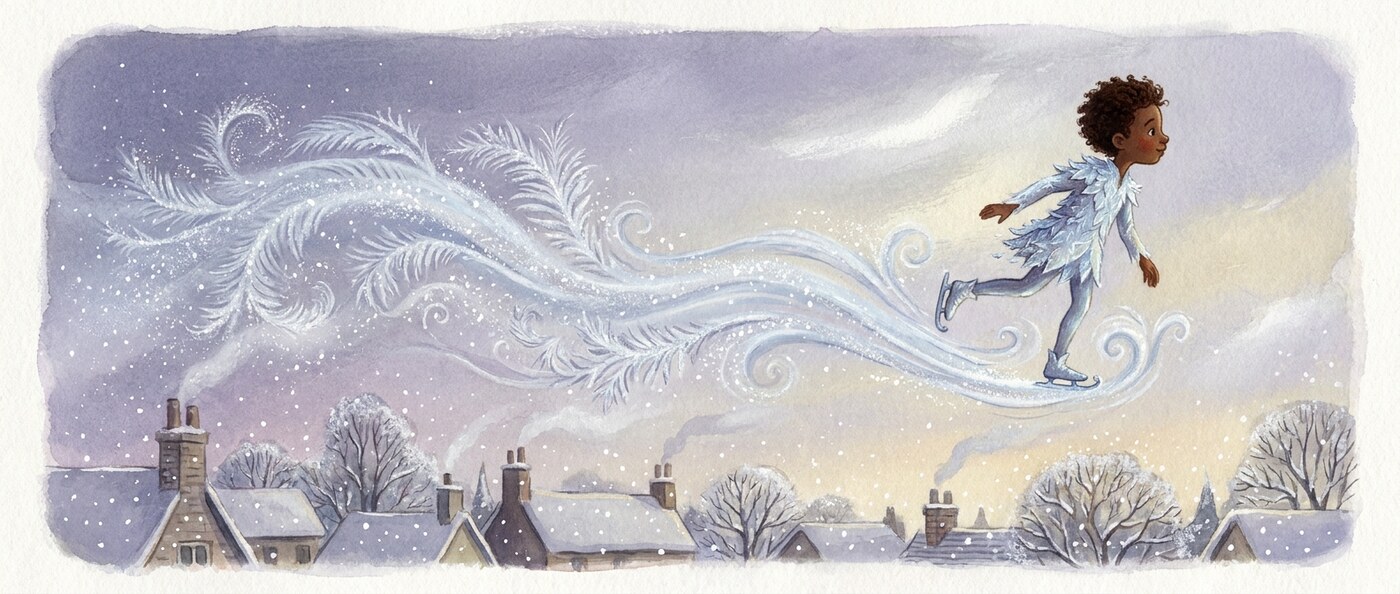
No two families picture Jack Frost quite the same way. Here are six of them.